Sealing and resealing concrete
Concrete sealing in Perth
Bare concrete soaks up oil, rust, barbecue fat and leaf stains, and Perth sun and sand wear it down. A good sealer keeps all of that on the surface, where it can be cleaned off. We seal and reseal driveways, paths, garage floors, alfresco areas, pool surrounds and indoor floors, including brand-new slabs once your concreter has finished.
- Price
- After a site check
- Surfaces
- Driveways, garages, outdoor and indoor
- First step
- Free on-site measure
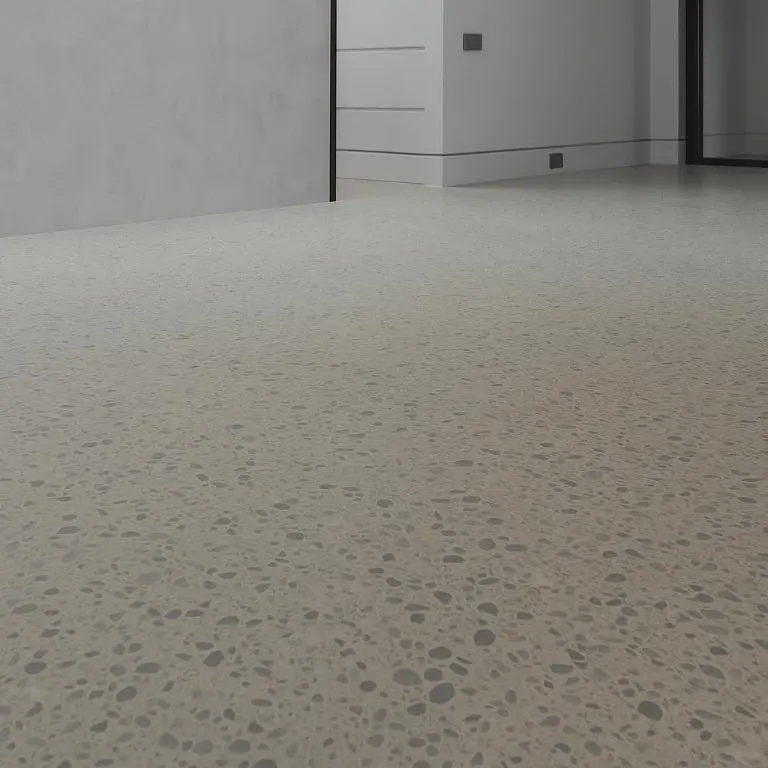
Does your concrete need sealing?
Concrete looks solid, but it's full of tiny pores. Anything liquid that lands on unsealed concrete, from engine oil to red wine to rusty bore water, soaks into those pores and becomes part of the slab. Sand and water then wear the surface away a little at a time, and on driveways that shows up as a rough, dusty finish around the tyre tracks.
A sealer either soaks in and blocks those pores or puts a thin protective film on top. It's worth doing anywhere stains would bother you or water sits: driveways, garages, alfresco areas, pool surrounds and indoor floors. On a rough side path nobody looks at, it adds little, and we'll tell you that rather than sell you a coat you don't need.
Concrete sealer types, compared
There's no single best concrete sealer. The right one depends on the surface, what it has to put up with and the look you want. These are the main types, and we recommend one for your slab at the free measure.
| Penetrating | Acrylic | Polyurethane | Epoxy | |
|---|---|---|---|---|
| Look | Natural, little or no change | Matte to wet look, deepens colour | Matte to gloss | Thick and glossy |
| Against stains | Keeps water out, less resistant to oil | Good while it's fresh | Very good against oil and chemicals | Excellent |
| Wear and sun | Nothing on top to wear or peel | Softer, wears in traffic, some types yellow or lift under hot tyres | Hard-wearing, UV-stable types available | Very hard, but most types yellow in sunlight |
| Grip when wet | Unchanged | Slippery without anti-slip grit | Needs anti-slip grit in wet areas | Slippery without anti-slip grit |
| Usually suits | Paths, pool surrounds, natural finishes | Driveways and alfresco areas | Garages and busy floors | Indoor garages and workshops |
Two practical points matter as much as the type. Some sealers won't bond over others, so what's already on your slab narrows the choice, which is why we test the old sealer before we quote. And grip depends on the finish and on whether anti-slip grit is mixed in, so anywhere that gets wet or sees bare feet gets grit, whichever sealer goes on. Epoxy is usually laid as a full coating system rather than a sealer, and our epoxy flooring page covers it.
Sealing by surface
Driveways
Driveways take oil drips, rust from bore-water reticulation and hot tyres. On a sunny driveway, use a sealer rated for vehicles, so it doesn't soften and lift in the tyre tracks on a summer afternoon.
Garage floors
A sealed garage floor sweeps clean and lets you wipe up an oil drip before it soaks in. If you work on cars, use chemicals or want a coloured finish, epoxy flooring is the step up.
Paths and side access
Often the area that gains least from sealing, unless it sits next to reticulation that leaves rust stains, or it's the path that carries dirt and sand into the house.
Alfresco areas
Barbecue fat, spilled drinks and leaf stains are the main problems, and a sealer gives you time to wipe them up. Choose a finish with enough grip for wet feet and rain blown in under the patio.
Pool surrounds
Always with anti-slip grit, and with a sealer that suits salt or chlorine water. Salt drying on bare concrete can slowly damage the surface, so pool surrounds gain more from sealing than most areas.
Indoor floors
Plain concrete floors in studios, laundries, sheds or a home with an industrial look can be sealed to stop spills soaking in and to cut down the fine dust bare concrete gives off. For a finish with no coating at all, see polished concrete.
Honed concrete and exposed aggregate have their own sealing needs, covered on our honed concrete and exposed aggregate sealing pages.
How we seal concrete in Perth conditions
Sealer needs a clean, dry slab and the right weather. After winter rain the concrete has to dry out first, which can push a job back a few days. In summer we seal early in the day, because sealer laid on a hot slab dries too fast, can bubble and won't bond as well.
Perth sun decides a lot of the product choice. West-facing driveways and alfresco areas take hours of hot afternoon sun, which is hard on sealers that aren't UV-stable. On driveways, hot tyres add to it.
Foot traffic is usually fine within hours of the last coat. Cars, furniture and pot plants need longer, as the sealer keeps hardening after it feels dry. We'll give you the times for the sealer we use on your job.
- Inspect and test. We check the slab and test any existing sealer, since that affects what can go on next.
- Clean. Dirt, mould and grime come off, so nothing gets sealed in.
- Treat stains. Oil, rust and leaf stains are treated before sealing, because a sealer locks in whatever's underneath it.
- Strip if needed. Old sealer that's white, peeling or incompatible is removed.
- Dry. The slab is left to dry properly. Damp concrete is the most common cause of cloudy sealer.
- Seal. The sealer goes on in even coats, with anti-slip grit where it's needed.
Should you seal it yourself?
Plenty of people reseal their own driveway, and on a clean, sound slab whose sealer is still in reasonable shape, a careful DIY job can work well. Where DIY reseals usually go wrong is in the preparation. Sealing over dirt or oil locks it in for years. Sealing a slab that's still damp from rain or hosing turns the sealer white. A sealer that isn't compatible with what's already there peels. And sealer rolled on too thick, or in the middle of a hot day, ends up bubbled, sticky or soft.
It's worth calling us when the old sealer has gone white, patchy or started peeling, when there are oil or rust stains to deal with first, when you want a new slab sealed at the right time, or around a pool where the grip has to be right.
What concrete sealing costs
We price sealing after a site check. A new slab that just needs sealing is a very different job to an old driveway where the sealer has gone white and has to be stripped first, even if they're the same size.
The price comes down to the area, the state of any old sealer, how much stain treatment is needed, the sealer chosen and how many coats it takes, and access.
At the free measure
We look at the slab, test any existing sealer and check the stains, then recommend a sealer for the surface and give you a price for the work it needs.
Concrete sealing questions
How often should concrete be sealed in Perth?
Most outdoor concrete needs resealing every few years. Driveways and slabs in full afternoon sun wear faster than shaded or indoor areas. When water soaks in and darkens the concrete instead of beading on top, it's time.
What's the best sealer for a concrete driveway?
One rated for vehicle traffic that stands up to UV, so it doesn't soften and lift in the tyre tracks or yellow in the sun. Whether you want a wet look or a natural finish is up to you, and we'll recommend a product that suits your slab and whatever is already on it.
Should I use a penetrating or an acrylic sealer?
Penetrating sealers soak in, leave the concrete looking natural and have nothing on top to peel, but they do less against oil. Acrylic sealers sit on the surface, deepen the colour and hold out stains well while they're fresh, but they wear and need resealing more often. Driveways often suit acrylic for the look, and paths and pool surrounds often suit a penetrating sealer.
Will sealing make my concrete slippery?
A glossy sealer can be slippery when wet. Anti-slip grit mixed into the sealer, or a matte or penetrating sealer, keeps good grip. We add grit anywhere that gets wet or sees bare feet, such as pool surrounds, alfresco areas and sloping driveways.
Can you seal over old sealer?
Sometimes. If the old sealer is sound and compatible, it's cleaned and recoated. If it has gone white, is peeling or is a type the new sealer won't bond to, it has to be stripped first. We test it at the free measure.
How long before I can drive on sealed concrete?
Walking is usually fine within hours. Cars need longer because the sealer keeps hardening after it feels dry, and the wait depends on the sealer and the weather. We'll tell you when it's safe to park on it again.
When should a new concrete slab be sealed?
Once it has cured enough for moisture to escape. Sealing too early traps moisture and can turn the sealer cloudy. The timing depends on the weather and the mix, so tell us when your slab was poured and we'll arrange the sealing for the right time.
Free on-site measure and quote
Book your free measure
Send us a few details and we'll be in touch to arrange a time to look at your slab, measure up and price the finish you want. There's no cost and no obligation.
What helps us quote
What you'd like sealed (driveway, garage, path, alfresco, pool surround or indoor floor), roughly how many square metres, whether it's new or has been sealed before, and any stains or problems with it now.
Tell us about your floor
All fields are needed so we can get back to you.